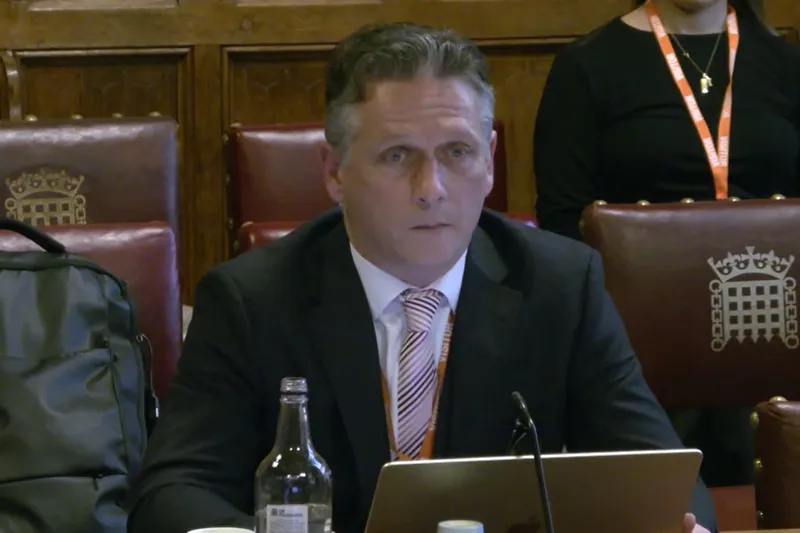

Giving evidence to a recent Public Services Committee hearing, chief executive of the Children’s Homes Association, Mark Kerr said the residential care sector had gone through a rapid period of growth in recent years that had seen the number of homes double to 5,000.
-
Analysis: Five takeaways from DfE evidence to Lords’ children’s social care inquiry
-
Analysis: PAC children’s homes report raises questions for DfE
“We’ve got about 17,000 registered beds [in children’s homes] yet there are only 9,500 children in residential care,” he told the committee, which is holding an inquiry into the children’s social care system, before adding that there are 1,000 more homes waiting to be registered by Ofsted which could add up to 3,000 more beds to the total.
“The residential sector cannot run with twice as many beds as it needs, so we are going to see failures,” he added.
Kerr, whose association has 340 members operating around 4,000 homes, said he was particularly concerned about two or three providers.
“I’m looking at one provider that is carrying £500mn of debt, large tranches of which need to be refinanced in 2028. Another large provider has been up for sale for a long time – these are huge amounts of money,” he said.
According to Kerr, a delay in legislation that would restrict the opening of homes is a key factor for the recent rapid growth.
“The government have let this go,” he said. “Last July, we said to the Department for Education, are you going to announce the changes to restrict registrations…because this growth has not come from experienced providers, it’s come from property developers and speculators with no practice experience.”
Kerr also warned that the lengthy Ofsted registration process had resulted in a shortage of specialist homes – “our A&E wards” – for children with the most serious needs.
“No one will open them because of the level of delays, but we’ve got lots of homes for EBD [emotional and behavioural difficulties],” he said.
Measures in the Children’s Wellbeing and Schools Act to improve financial oversight of children’s social care providers “will tell the government a provider is going to go bust”, said Kerr.
He added: “What I haven’t seen is what they are going to do when it happens – because it is going to happen. There is going to be a catastrophic failure. It’s great having an early warning system but is the government going to have special administration processes? What happens when a critical part of infrastructure goes down?”
Kerr added that members of his association would be “happy” with the introduction of a profit cap for children’s social care providers through the Act because “it’ll be about 15-16% and most providers aren’t making that level of profit”.
The committee also heard from Andrew Isaac, chair of the Children’s Services Development Group, who defended the role of private equity (PE) in the sector.
“I would ask the committee to speak to the PE houses why they invest in community projects because they do have a view of where they can make a difference,” he said. “I’ve spoken to three or four who are extremely ethical in how they do things.”
The committee will be taking evidence from the fostering sector this week before reporting its findings next year.